

Lead-Free Brass Threaded Inserts: Importance in Modern Manufacturing
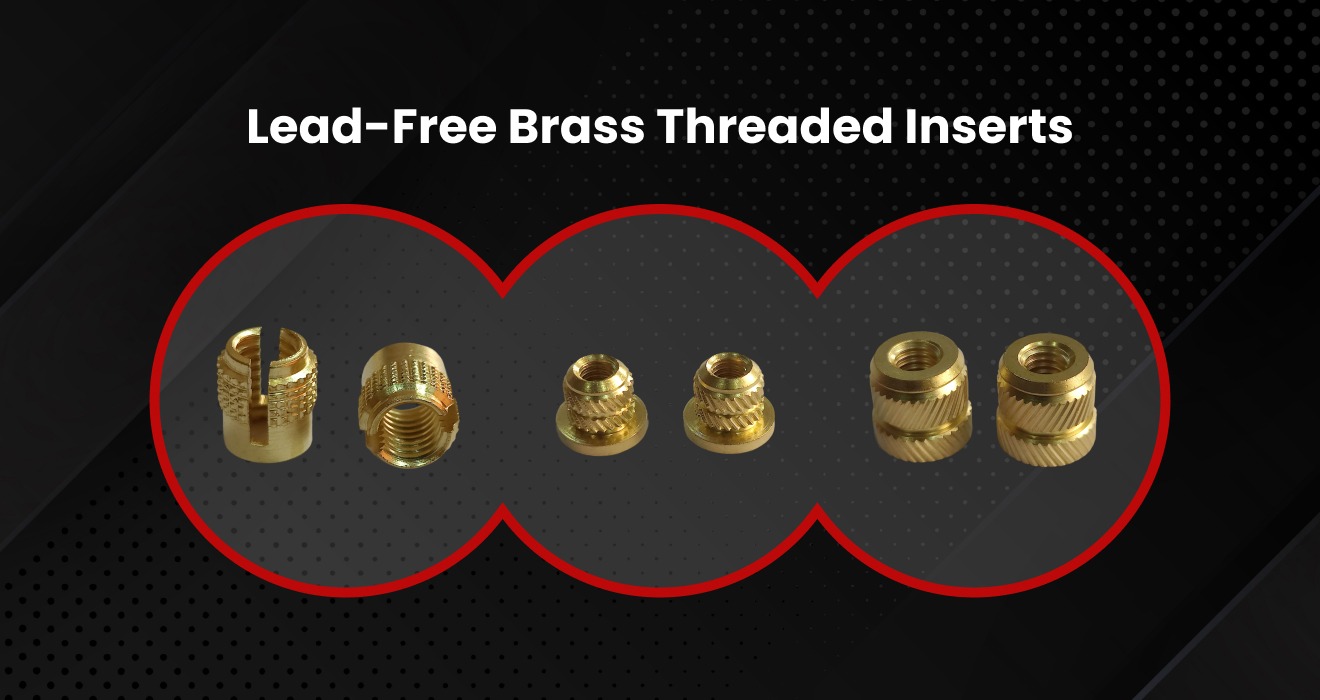
These Inserts have become an essential component in modern manufacturing, driven by increasing regulatory pressures and the demand for safer, more sustainable materials. Traditionally, brass alloys contained lead to improved machinability, but growing awareness of the health and environmental risks associated with lead exposure has led industries to adopt lead-free alternatives. At Ravi Products, this shift is reflected in a strong commitment to producing high-quality lead-free brass threaded inserts that delivering reliable threading solutions while maintaining excellent corrosion resistance, durability, and mechanical performance. As sectors such as automotive, electronics, plumbing, and consumer goods continue to prioritize compliance with global safety standards, these inserts play a critical role in ensuring both product integrity and environmental responsibility.
Product Heads up
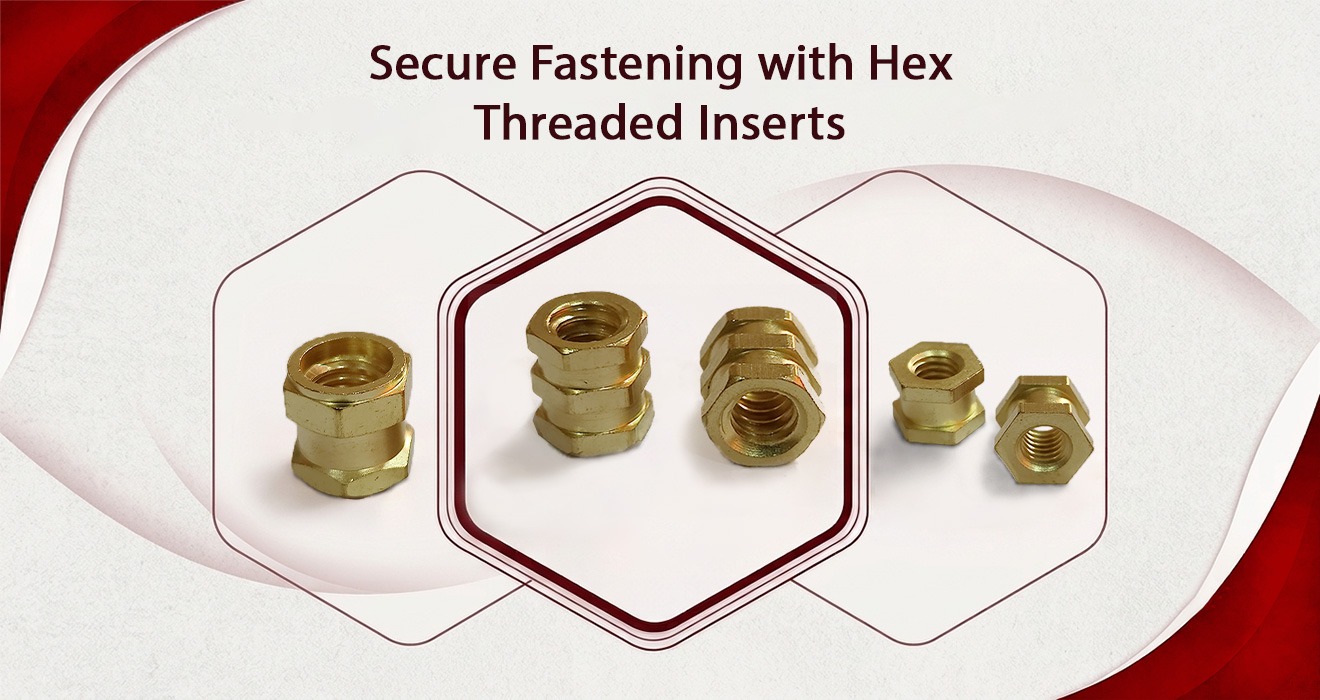
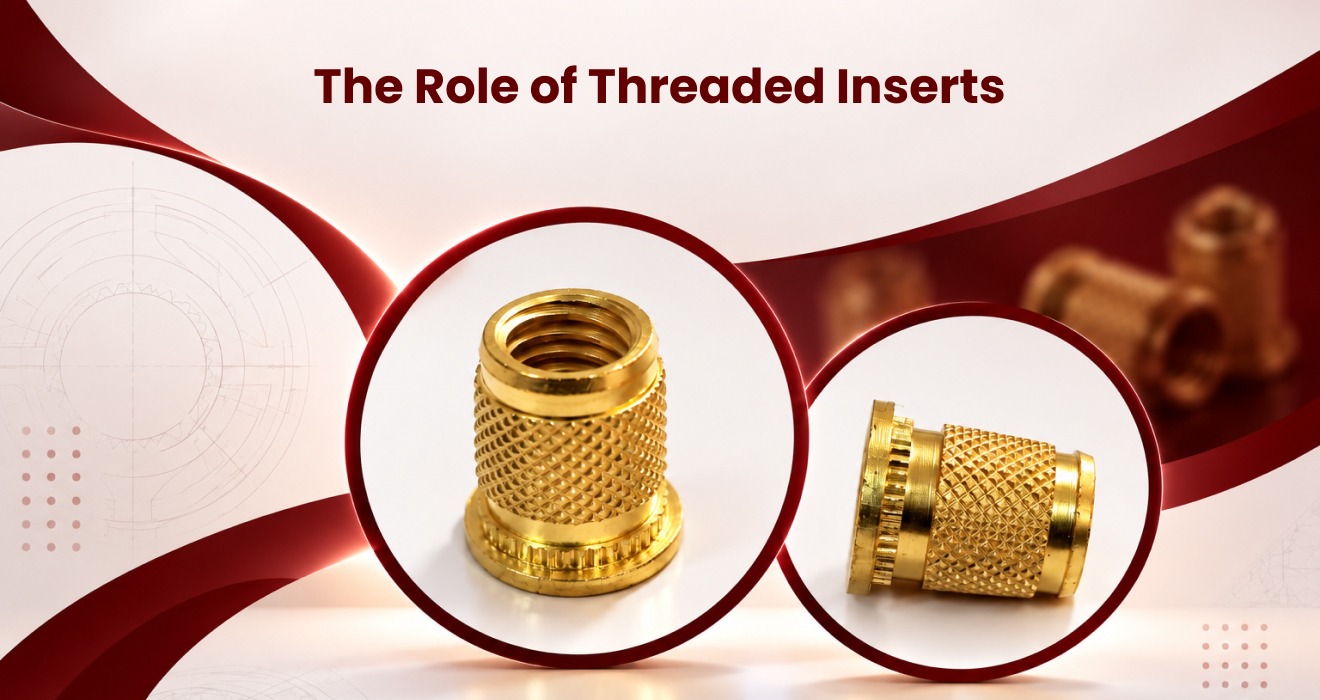
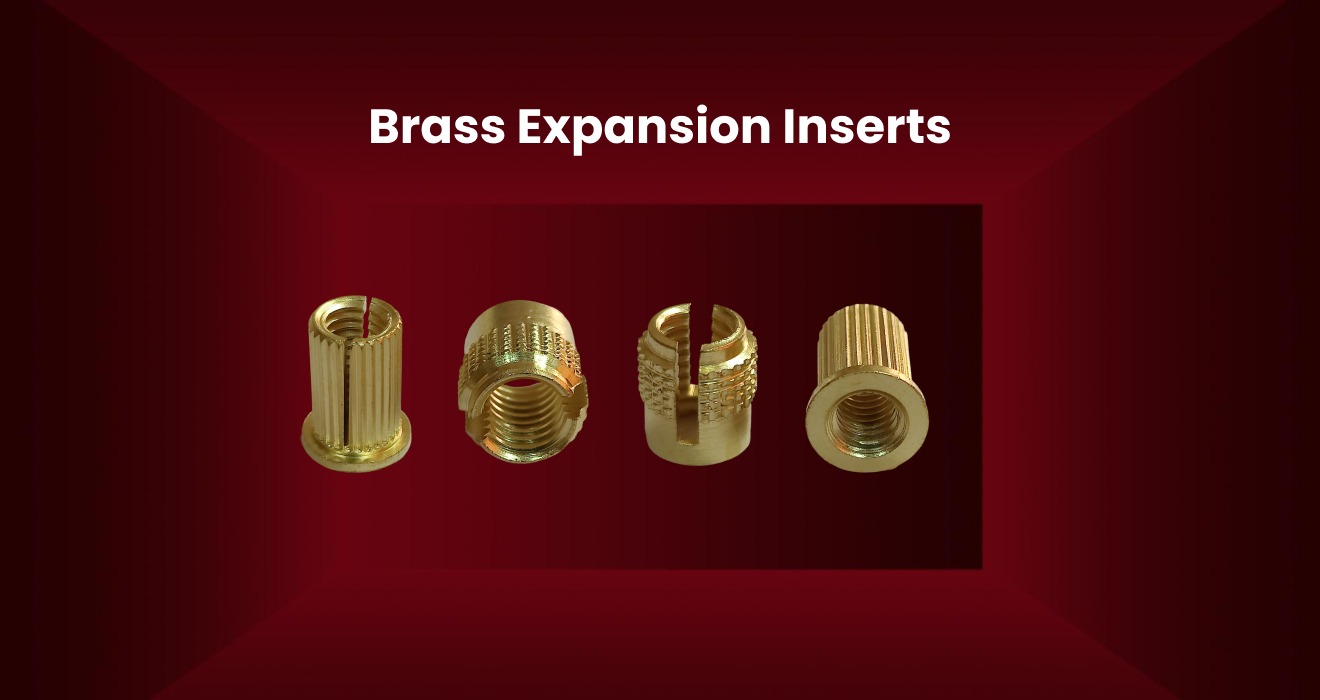
These inserts are precision-engineered components designed to provide strong internal threads without the use of lead in their alloy composition.
- Definition: These inserts are embedded into a base material to create a durable threaded hole, allowing repeated assembly and disassembly without damaging the host material.
- Composition: These inserts are primarily composed of copper and zinc, using additives like bismuth, silicon, or tin to replace lead while maintaining high machinability and corrosion resistance. These materials typically adhere to strict environmental standards, ensuring a weighted average lead content of 0.2% or less, commonly compliant with NSF/ANSI regulations.
Comparison with Traditional Brass Inserts
| Feature | Traditional Brass Inserts | Lead-Free Brass Inserts |
|---|---|---|
| Lead Content | High (2.5% – 3.7%) | < 0.25% (compliant) |
| Key Alloying Elements | Lead, Copper, Zinc | Silicon, Bismuth, Copper, Zinc |
| Machinability | Excellent (100% rating) | Moderate to High (70% – 85% rating) |
| Tool Wear | Very Low | Moderate to High (due to lack of lead lubrication) |
| Tensile Strength | Lower (~338 MPa) | Higher (400 – 600+ MPa) |
| Corrosion Resistance | Good | Superior (especially silicon brass) |
| Cost | Generally lower raw material cost | Higher (due to materials & processing) |
| Scrap Value | High, easily recycled | Lower (30%–50% less) |
| Appearance | Bright yellow | Slightly redder or paler hue |
| Primary Usage | General industrial, non-potable applications | Potable water, medical, eco-friendly applications |
The Shift Away from Leaded Brass
The shift from leaded to lead-free brass is a critical industry transition driven by stricter global regulations (such as EU requirements effective 2026) aiming to eliminate lead in drinking water systems. Lead-free alternatives, such as bismuth-based brass and Eco Brass (C693), improve public safety by reducing lead exposure by up to 90%.
- A. Health Risks: Lead exposure is a well-documented health hazard, affecting the nervous system, kidneys, and developmental processes, especially in children.
- B. Environmental Impact: Lead can contaminate soil and water during manufacturing, use, and disposal, making it a long-term environmental pollutant.
- C. Regulatory Pressure: Global awareness and stricter regulations are pushing industries to eliminate consumer and industrial products.
Performance Characteristics
- High tensile strength
- Excellent corrosion resistance
- Improved wear resistance
- Increasingly competitive machinability compared to traditional brass
Applications Across Industries
- Automotive: Engine components, interior assemblies, electronic housings
- Electronics: Circuit boards, enclosures, connectors
- Plumbing: Potable water systems requiring non-toxic materials
- Medical devices: Equipment requiring strict biocompatibility standards
- Consumer products: Furniture, appliances, and plastics requiring durable threads
Manufacturing Considerations
- A. Material Sourcing: Choosing the right alloy is critical, as different lead-free compositions
- B. Machining Differences
- Adjusted cutting speeds
- Improved tooling materials
- More precise machining parameters
- C. Cost Implications: Initial material costs can be higher, but long-term savings often come from regulatory compliance and reduced liability risks.
Lead-free brass threaded inserts represent a significant step forward in modern manufacturing. While they may introduce minor cost and machining adjustments, their long-term advantages in sustainability, safety, and regulatory compliance make them a superior choice for forward-thinking industries.
For high-quality lead-free brass threaded inserts and precision-engineered fastening solutions, Ravi Products – The Best Inserts manufacturer in India offers reliable manufacturing backed by consistent quality and industry-focused expertise. For inquiries, technical specifications, or bulk requirements, please contact us.