

How to Identify Lead-Free Brass? And it’s Importance in Metal Component Manufacturing
In metal component manufacturing, the composition of materials is more than a technical detail; it directly affects product safety, regulatory compliance, and long-term performance. Brass, a widely used alloy of copper and zinc, has traditionally included small amounts of lead to improved machinability. However, growing health concerns and stricter regulations have made it increasingly important to distinguish between lead and lead-free brass. Understanding how to identify lead-free brass is essential for manufacturers working in industries such as plumbing, food processing, and medical devices, where even trace contamination can pose serious risks. Best Threaded Inserts manufacturers Ravi Products are leading the shift toward safer, compliant materials by offering high-quality lead-free brass components that meet global standards. This article explores practical ways to verify brass composition and explains why choosing lead-free alternatives is critical in today’s manufacturing landscape.
What Is Lead Free Brass? Why Lead Content Matters in Manufacturing?
Brass is considered “lead free” when its lead content is reduced to minimal levels typically less than 0.25% by weight. Instead of lead, alternative elements like bismuth, silicon, or tin are introduced to preserve machinability and performance. These substitutions allow manufacturers to produce high quality brass components that meet strict international standards without compromising functionality.
What Qualifies Brass as “Lead-Free”?
Lead has historically been added to brass to improve machinability, but it poses serious risks. Lead exposure can harm human health and contaminate water and soil through leaching. In manufacturing environments, reducing lead content minimizes occupational hazards and environmental impact. For industries such as plumbing, food processing, and electronics, eliminating lead is essential to ensure product safety and regulatory acceptance.
Key Advantages of Lead-Free Brass Parts
A. Environmental Benefits
- Lead-free brass prevents environmental contamination caused by lead leaching. This makes it especially suitable for water systems and food-related applications. Additionally, its production aligns with sustainable manufacturing practices and supports circular economy principles.
B. Health and Safety Compliance
- Lead-free brass components are designed to meet strict global safety and regulatory requirements, including:
- NSF/ANSI 61 for drinking water system components
- California AB1953 (lead-free plumbing requirements)
- European RoHS Directive for electronic components
- FDA regulations for food-contact applications
Common Types of Lead-Free Brass Alloys
A. Silicon Brass Alloys
- Silicon-enhanced alloys offer excellent machinability and corrosion resistance. They are widely used in plumbing fixtures, valve bodies, and marine environments.
B. Bismuth Brass Alloys
- Bismuth-based alloys provide superior hot workability and excellent surface finishes. They are ideal for complex components requiring tight tolerances.
C. Copper-Zinc-Tin Alloys
- These alloys incorporate tin to improve strength and wear resistance, making them suitable for heavy-duty industrial applications.
Technical Properties of Lead-Free Brass
A. Mechanical Characteristics
- Tensile strength: 350–550 MPa
- Yield strength: 150–400 MPa
- Elongation: 15–45% (high ductility)
- Hardness: 70–160 HB
- Excellent fatigue resistance under cyclic loading
B. Thermal Properties
- Thermal conductivity: 110–140 W/mK
- Coefficient of expansion: 18–20 × 10⁻⁶/K
- Melting point: 900–940°C
- Specific heat capacity: 380 J/kgK
C. Electrical Properties
- Electrical conductivity: 15–25% IACS
- Electrical resistivity: 6–12 µΩ⋅cm
- Non-magnetic characteristics for sensitive equipment
How to Determine Whether Brass Is Lead-Free
Identifying whether brass is lead-free primarily depends on its composition and compliance with recognized standards. Lead-free brass components contain less than 0.25% lead by weight and typically use alternative elements such as bismuth, silicon, or tin to achieve similar performance characteristics.
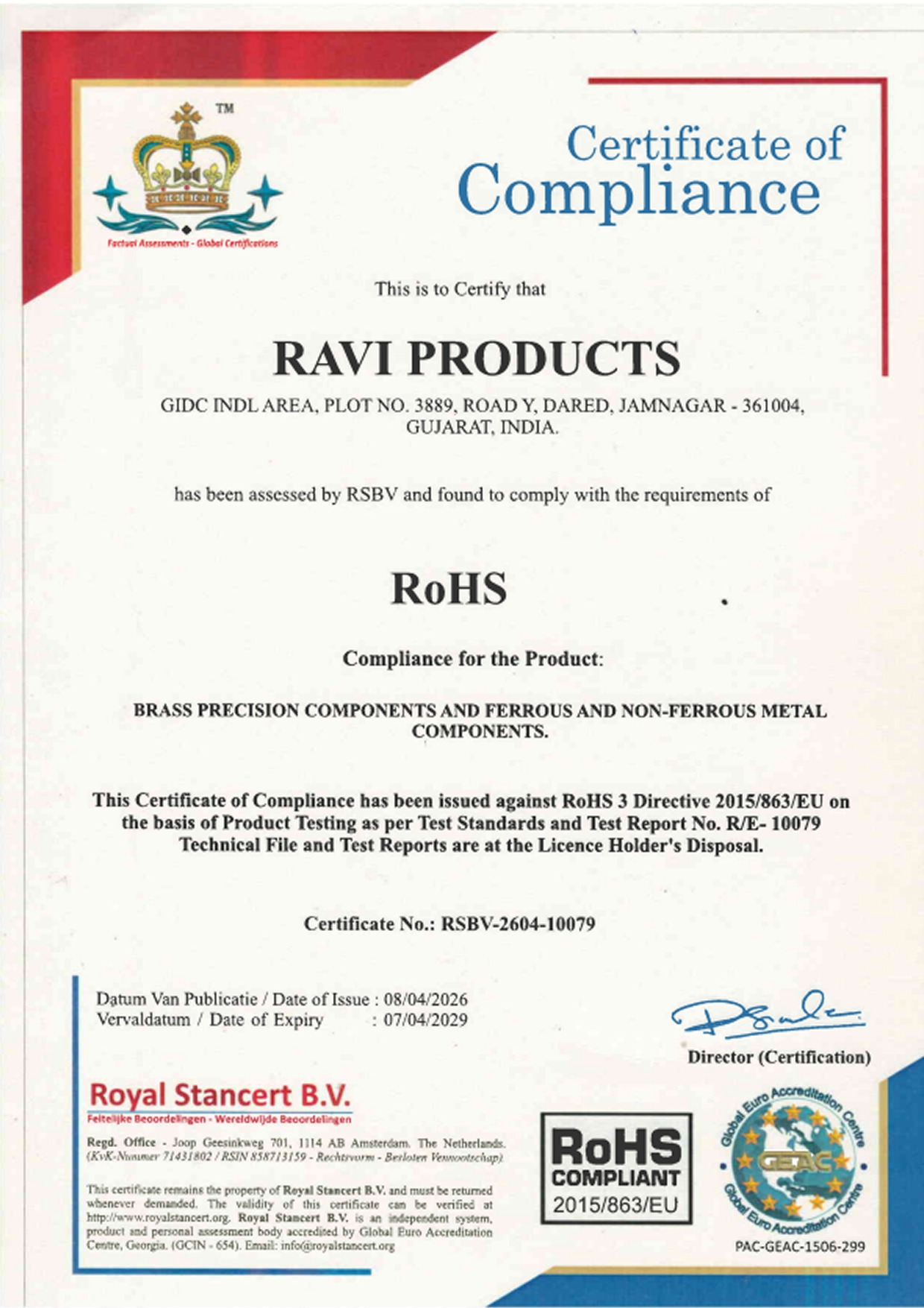
Another key indicator is certification and regulatory compliance. Brass parts that meet standards such as NSF/ANSI 61, California AB1953, RoHS, or FDA regulations are manufactured to limit lead content and are considered safe for applications involving drinking water, food contact, or electronics.
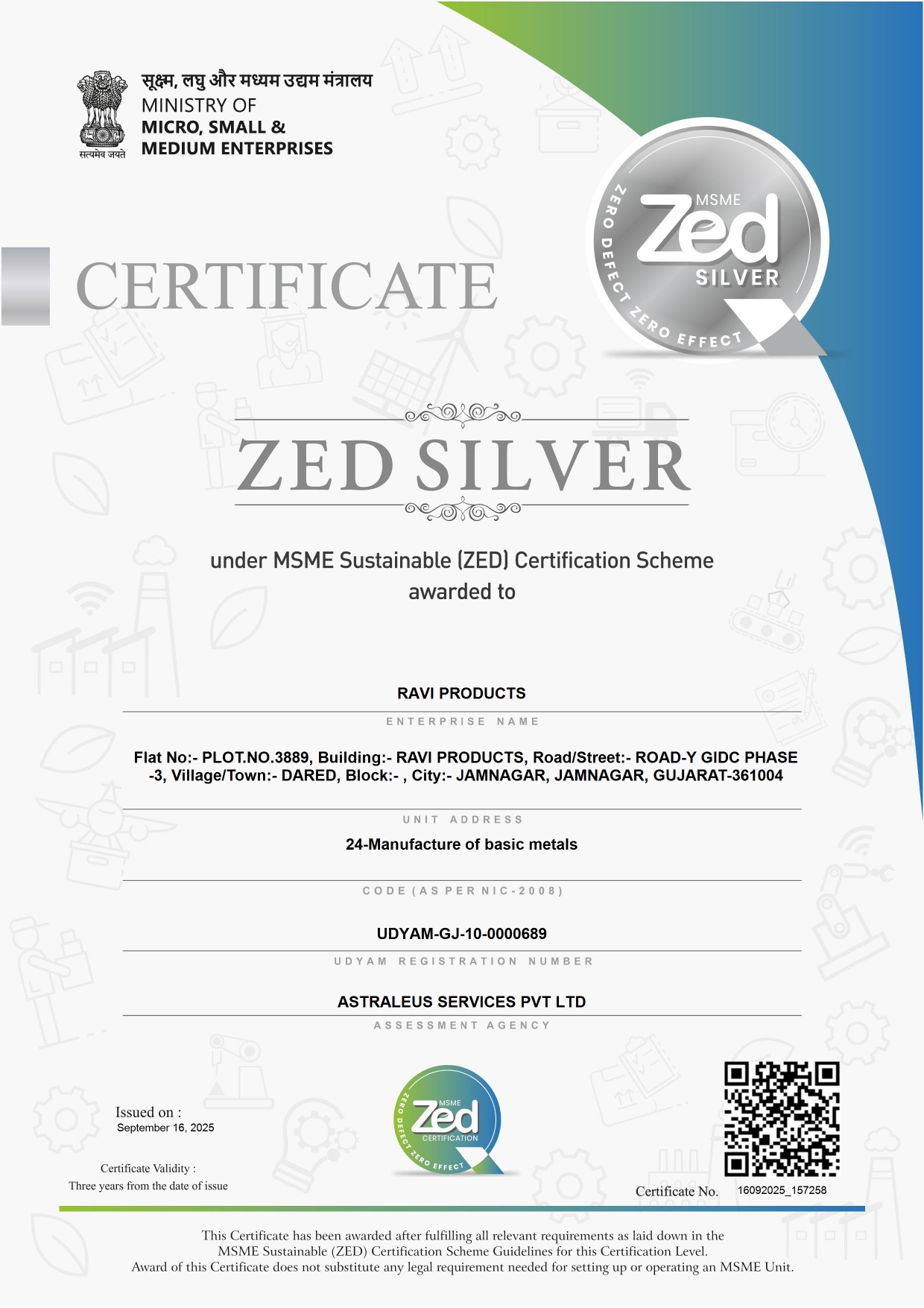
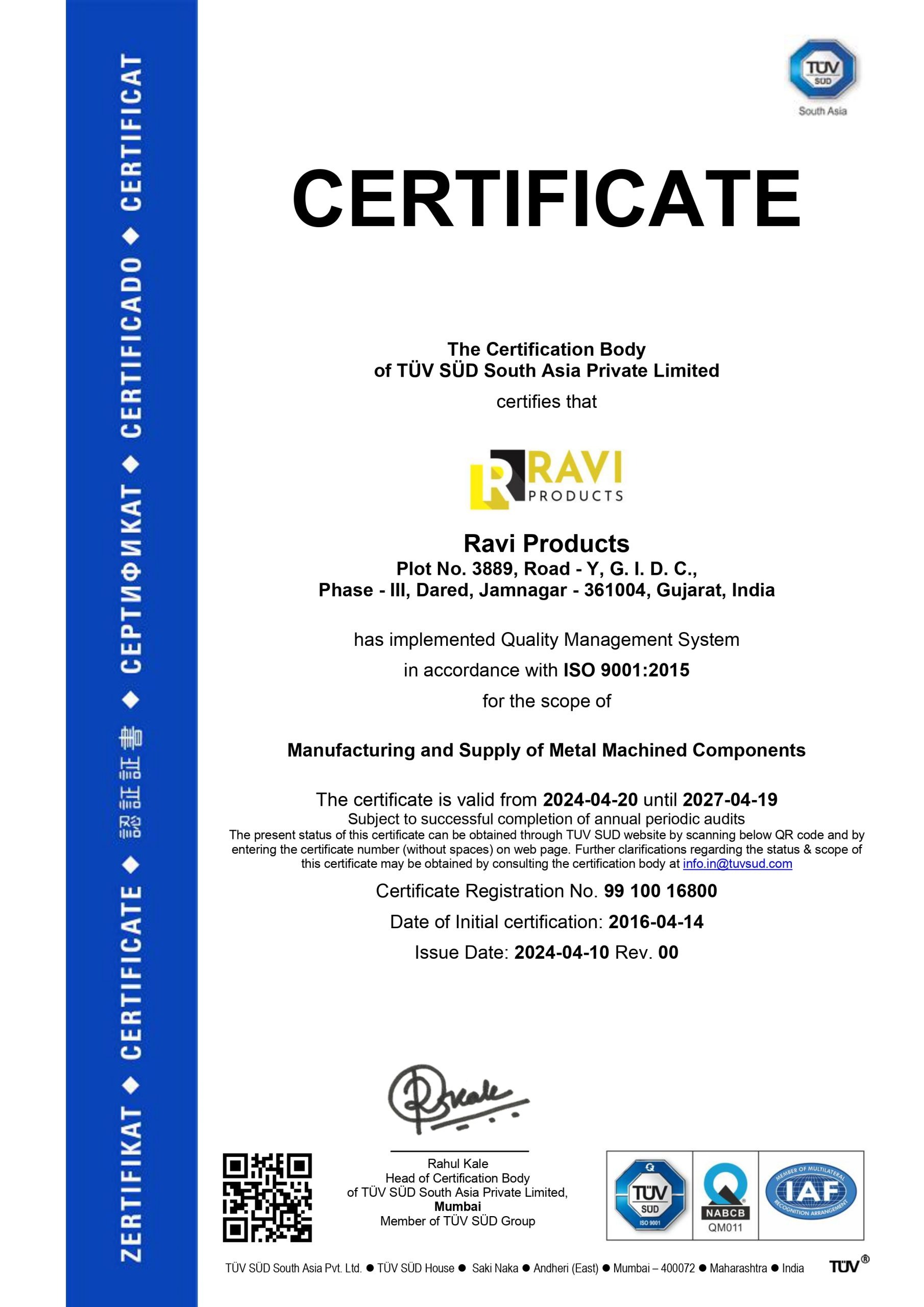
In practice, manufacturers verify lead-free status through material specifications, alloy designations (such as ASTM and ISO standards), and quality certifications like ISO 9001 or ISO 14001. These documented assurances are the most reliable way to confirm that a brass component is truly lead-free.
Applications of Lead-Free Brass Parts and Components
A. Plumbing and Water Systems
- Water meter housings
- Valve bodies and actuators
- Pipe fittings and connectors
- Faucet cartridges
- Backflow prevention devices
B. Electrical and Electronics
- Electrical connectors and terminal blocks
- Switch components
- Heat sinks and thermal systems
- EMI/RFI shielding
- Precision housings
C. Automotive Industry
- Fuel system and injector components
- Brake fittings and hydraulic parts
- Air conditioning manifolds
- Sensor housings
- Interior and decorative hardware
D. Marine and Offshore
- Propeller shafts and bearings
- Through-hull fittings
- Navigation equipment housings
- Corrosion-resistant fasteners
- Pump components and impellers
Conclusion
In conclusion, using lead free brass is essential for ensuring safety, regulatory compliance, and long-term reliability in metal component manufacturing. As industries continue to prioritize health and environmental standards, choosing the right materials and trusted manufacturers becomes increasingly important. Ravi Products play a key role in delivering high-quality lead-free brass components that meet global requirements without compromising performance.
For businesses seeking reliable and compliant brass solutions, Ravi Products offers expertise, precision manufacturing, and a commitment to quality. Whether you need standard or customized lead-free brass components, our team can provide customized solutions tailored to your requirements. Contact Ravi Products today to discuss your project needs, request a quote send an email inquiry on export@raviproducts.com, or call our team on +91 97253 14757 for prompt assistance.