

How to install self-tapping threaded inserts: A comprehensive step-by-step guide!
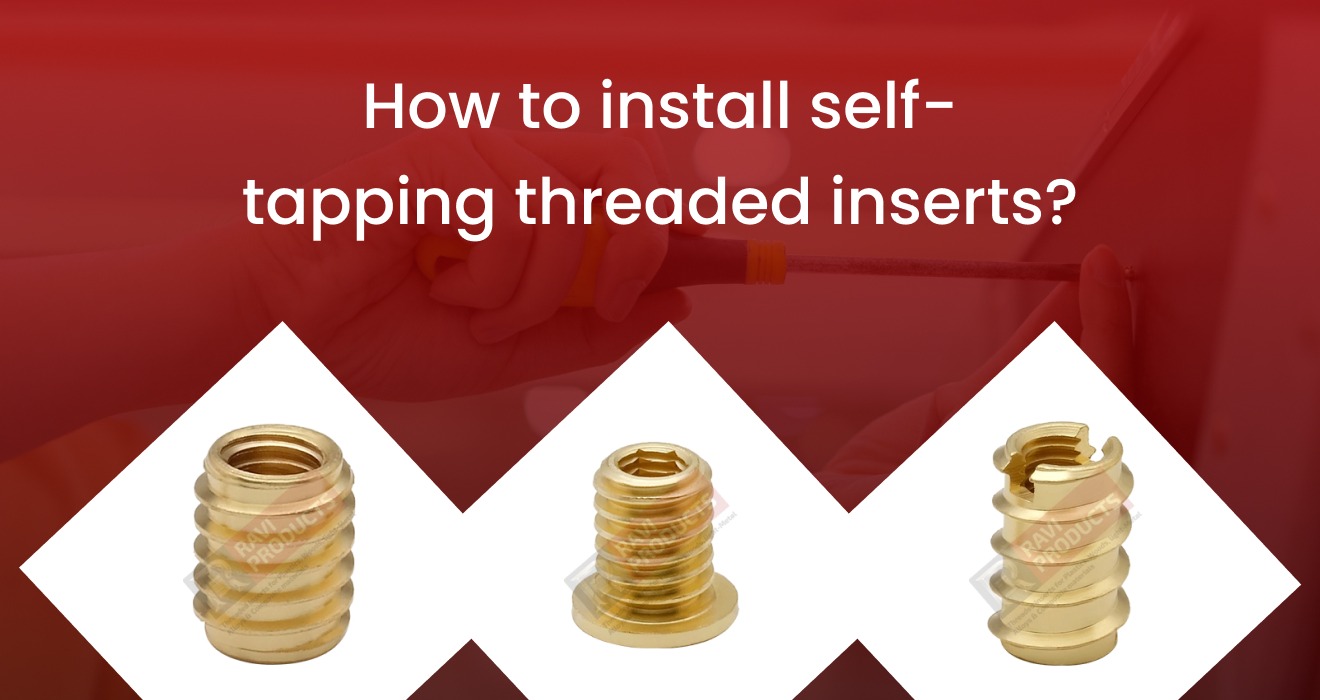
Self-tapping threaded inserts provide a dependable and efficient way to create strong, reusable threads in materials such as wood, plastic, and soft metals. At Ravi Products, our self-tapping inserts are designed for precision and durability, creating their own threads during installation without the need for pre-tapping. This simplifies the assembly process while enhancing the strength and longevity of threaded connections. In this comprehensive guide, we’ll walk you through the proper installation steps to achieve optimal performance and professional results using Ravi Products’ self-tapping threaded inserts.
Self-Tapping Inserts Overview
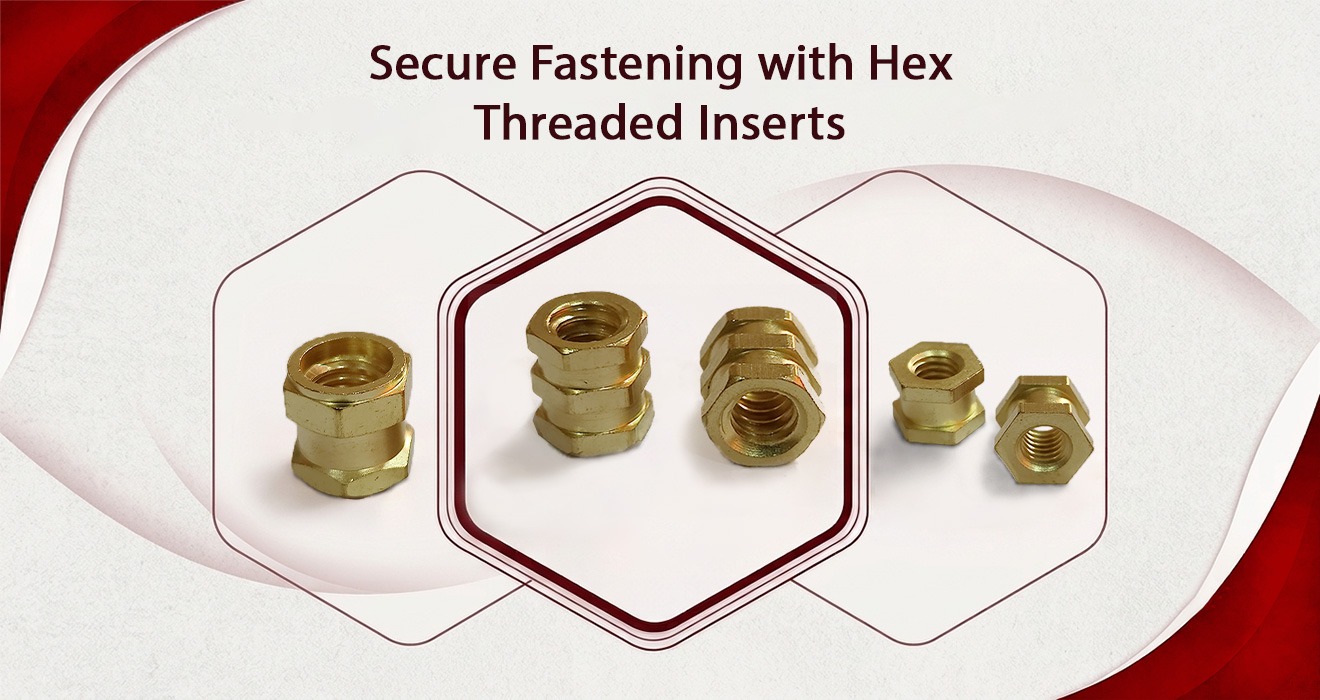
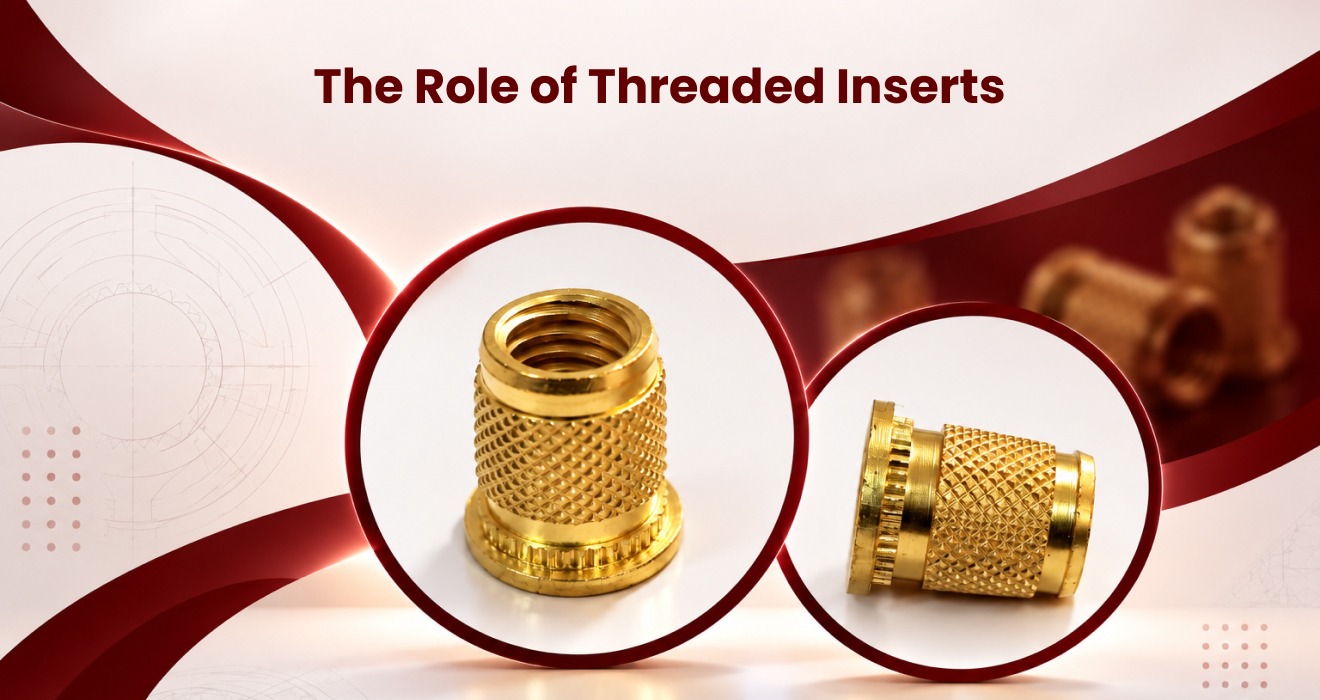
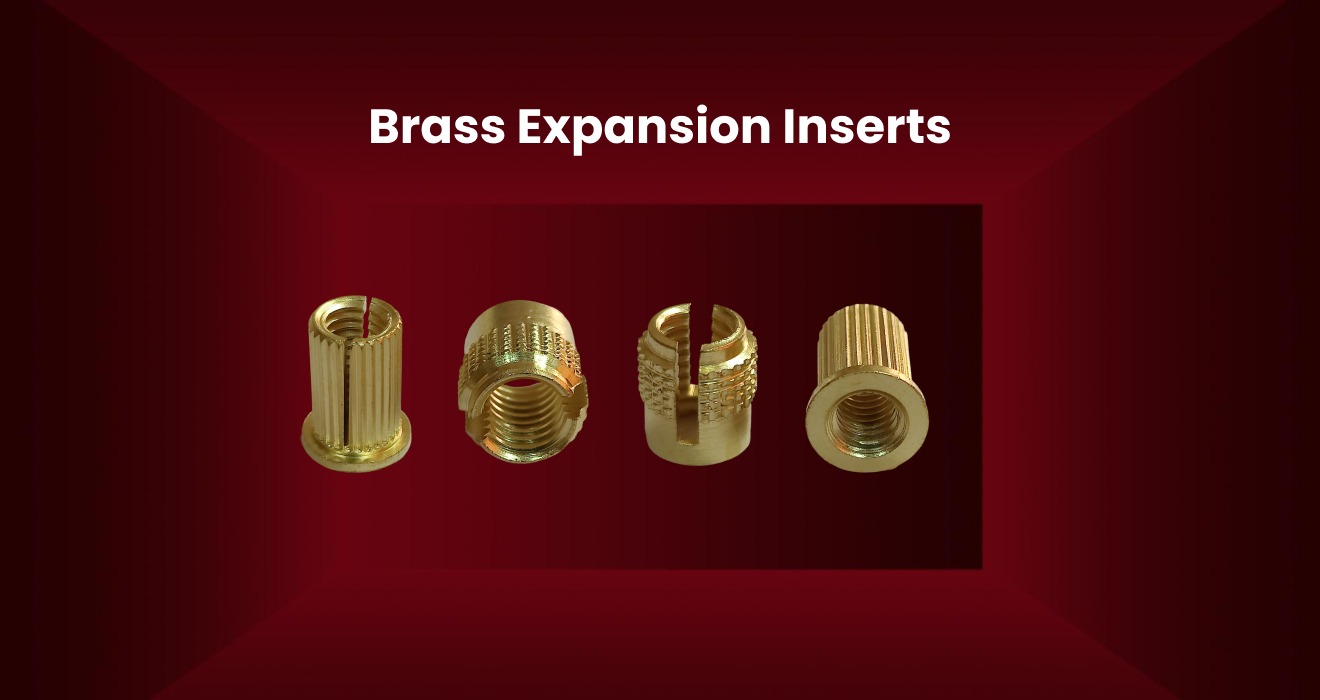
- Self-tapping inserts are versatile components designed to create strong, machine-threaded anchors in plain, untapped holes. These threaded fasteners offer a cost-effective way to allow machine screws to be securely fastened into a wide variety of materials. They are widely used in industries like automotive, aerospace, and furniture manufacturing.
How to install Self Tapping Threaded inserts?
- Select the right size: Select an insert with the correct thread size and pitch for your application.
- Secure the workpiece: Hold the material firmly using a vice or clamp.
- Drill the Hole: Use a drill slightly smaller than the insert’s outer diameter.
- Clean the Hole: Remove dust, debris, and burrs for a smooth installation.
- Install the Insert: Thread the insert clockwise into the hole using a tap wrench or proper tool, applying steady pressure.
- Check Alignment: Ensure the insert is installed straight to preserve thread quality.
- Apply Thread Locker (Optional): Use if extra hold is needed to prevent loosening.
- Tighten Carefully: Seat the insert firmly without overtightening to avoid damage.
- Inspect: Verify that the insert is firmly seated, properly aligned, and free of any defects.
Installation methods
- Manual insert drivers require the insert to be manually placed into the workpiece or fixture. The operator then completes the installation using a hand tool or by activating a lever on an arbor to press. This method is well suited for low-volume or high-precision applications.
- Semi-automatic insert drivers require the operator to manually load the insert into the component. Once positioned, a pneumatic mechanism usually controlled by an adjustable timer automates the insertion process. This approach enhances consistency and minimizes operator fatigue, making it ideal for medium-volume production.
- Automatic insert drivers are fully automated systems built for high-efficiency production. Inserts are oriented in a vibratory feeder and delivered via a shuttle to the insertion quill. The shuttle accurately positions the insert, then retracts for easy loading and unloading. This setup ensures fast, consistent installation across various applications.
Industrial applications of Self-Tapping Inserts
- Aerospace and Automotive Industries: These inserts are commonly used in the aerospace and automotive industries, especially with lightweight materials like aluminum.
- Electronic Enclosures: Self-tapping inserts are used in assembling electronic enclosures and chassis. They prevent thread damage during repeated assembly and disassembly.
- Furniture Manufacturing: In furniture manufacturing, particularly with particle board or composite materials, self-tapping inserts are used to create strong, long-lasting connections for fasteners like screws.
- Medical Devices: In the medical industry, self-tapping inserts are used to assemble medical device components, offering reliable and stable connections without compromising material integrity.
- Plastic Molding: Self-tapping inserts are often used in plastic molding to create threads in molded plastic parts, especially when the plastic alone lacks the strength to hold threads securely.
- Consumer Electronics: The lightweight and compact design of self-tapping inserts makes them ideal for consumer electronic devices, where minimizing space and weight is essential.
- General Industrial Applications: Self-tapping inserts are widely used in general industrial applications to provide secure and durable threaded connections in materials like sheet metal, fiberglass, and various composites.
Conclusion
Self-tapping threaded inserts offer a dependable and efficient solution for creating strong, reusable threads across a wide range of materials and industries. Whether you’re working with wood, plastic, or lightweight metals, using Ravi Products’ self-tapping inserts ensures high performance, ease of installation, and long-term reliability.
We manufacture and export custom self-tapping threaded inserts according to your specific application requirements. Our team is ready to provide expert guidance, technical support, and product recommendations tailored to your needs. Reach us by email at info@raviproducts.com or request a quote!