

A Complete Guide to DIN, EN, and ISO Standards for Manufacturers!
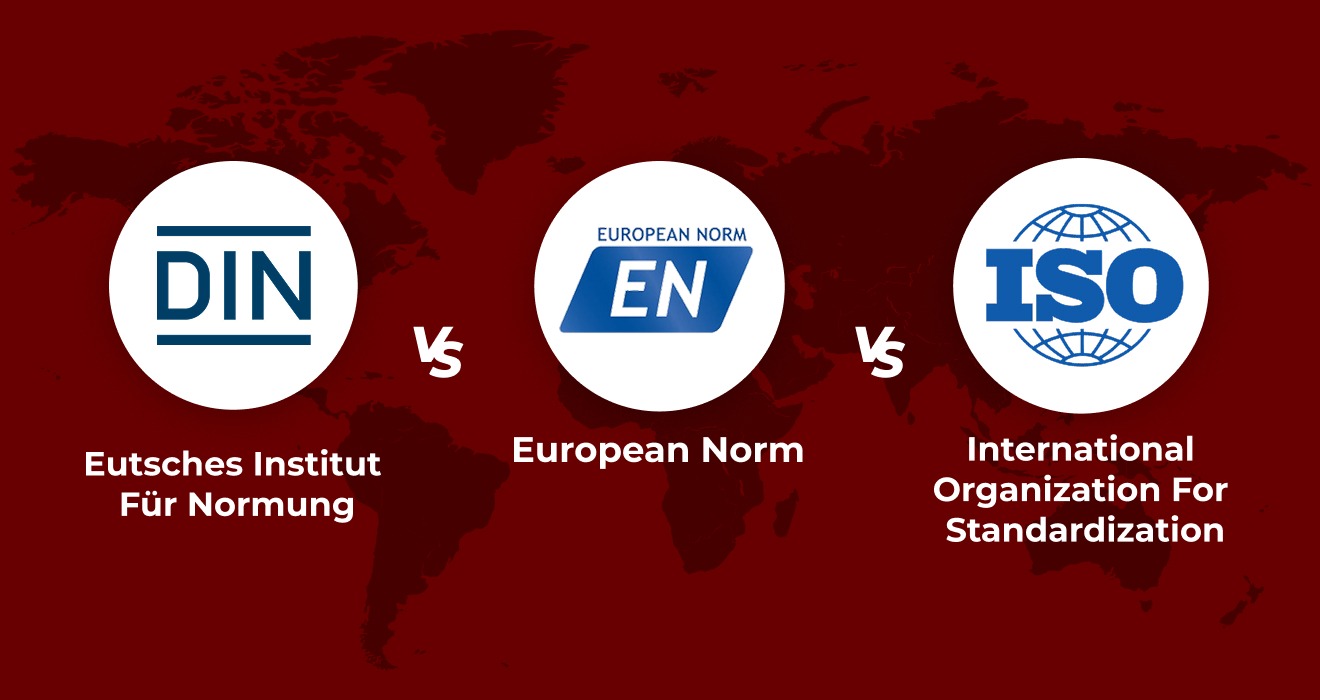
DIN, EN, and ISO are three key types of technical standards that we follow in our manufacturing and quality management processes. DIN standards are primarily specific to Germany, EN standards are applied and harmonized across Europe, and ISO standards are internationally recognized and adopted worldwide. We are manufacturing and exporting turned components to local, European, and global markets with meeting the required quality, safety, and regulatory standards for each region, thereby enhancing reliability, customer trust, and overall market competitiveness.
- The German Institute for Standardization, DIN is responsible for developing technical standards within Germany. Established in 1917, it creates consensus-based norms to improve product quality, safety, and compatibility. These standards are widely recognized beyond Germany and play a key role in facilitating trade, innovation, and efficiency across various industries, such as engineering, manufacturing services, and quality management.
- EN standards are created by European standardization organizations like CEN, CENELEC, and ETSI to establish a unified approach to safety, quality, and performance within Europe. They help harmonize regulations among EU member states, making it easier for companies to trade and operate across European markets. EN standards often align with international guidelines to ensure broader compatibility and acceptance.
- ISO is a global organization that develops internationally recognized standards to improve the safety, quality, and efficiency of products, services, and systems. Founded in 1947, it has published over 23,000 standards covering diverse fields such as food safety, information security, and quality management. These standards provide a common framework for businesses worldwide, enabling them to enhance their processes and compete in global markets.
A. DIN (Deutsches Institut für Normung):
B. EN (European Norms):
C. ISO (International Organization for Standardization):
Hierarchy and Relationships Between the Standards
- ISO standards are developed at the international level and serve as the highest tier, providing a global framework.
- EN standards often adopt ISO standards for use within Europe, ensuring consistency across EU member states.
- DIN standards operate at the national level in Germany and can align with EN or ISO standards to maintain harmony and support trade.
Key Differences Between DIN, EN, and ISO
| DIN (Germany) | EN (Europe) | ISO (International) | |
|---|---|---|---|
| Founded | 1917, Berlin | By CEN, CENELEC, ETSI | 1946, first standard in 1951 |
| Scope | National, 85% linked to EN/ISO | Regional – EU & some non-EU nations | Global – 165 member countries |
| Adoption | Voluntary | Replaces national standards | Voluntary |
| Main Goal | Improve quality & trade | Safety, quality, and interoperability | Unify standards for global trade |
| Example | Taper pins (DIN 1) | Same taper pin standard across EU | Same taper pin standard worldwide |
Practical Example of Standard Adoption
- A DIN standard may define specific requirements for products such as taper pins, helping manufacturers maintain efficiency and improve trade within Germany and nearby markets.
- When these requirements are aligned with EN standards, they become harmonized across all EU member states, ensuring that the same specifications are accepted and applied consistently throughout European markets.
- If the same standard is adopted at the ISO level, it gains global recognition, making international trade simpler, and promoting worldwide compatibility across industries and countries.
Benefits of each level of standardization
- DIN provides a solid foundation for local industries by improving product quality, boosting exports, and increasing manufacturing efficiency within Germany.
- EN ensures a consistent level of safety, quality, and performance across Europe, helping businesses compete globally while also protecting consumers, workers, and the environment.
- ISO offers a unified international framework that eliminates trade barriers, encourages innovation, and addresses critical global issues such as environmental protection, energy efficiency, and worker health and safety.
Challenges and Considerations
- DIN must carefully balance local industrial needs while aligning its standards with European and international requirements, as the majority of its standards are now connected to EN or ISO frameworks.
- EN faces the challenge of coordinating standards across diverse member nations and adapting to rapid technological changes, while also meeting sustainability goals set out in programs like Strategy 2030.
- ISO must continuously respond to global challenges, including cybersecurity, privacy concerns, and evolving industries, while ensuring transparency and cooperation among its 165 member countries.
Conclusion
Understanding the differences between DIN, EN, and ISO standards is essential for ensuring product quality and compliance across markets. At Ravi Products, this knowledge helps us guarantee that our products meet the appropriate regional and international requirements, supporting reliability, customer trust, and competitiveness.
We would love to hear from you! For any inquiries related to inserts or any other precision products, request a custom quote, or please reach out to us via export@raviproducts.com or call at +91 288 2730297. Our team is always ready to assist you and provide the support you need. You can also give us a call directly, and we’ll be happy to answer your questions and guide you through our offerings.