
Temperature Sensor Housing: Select the Right Sensor Housing Manufacturer for Maximum Protection!
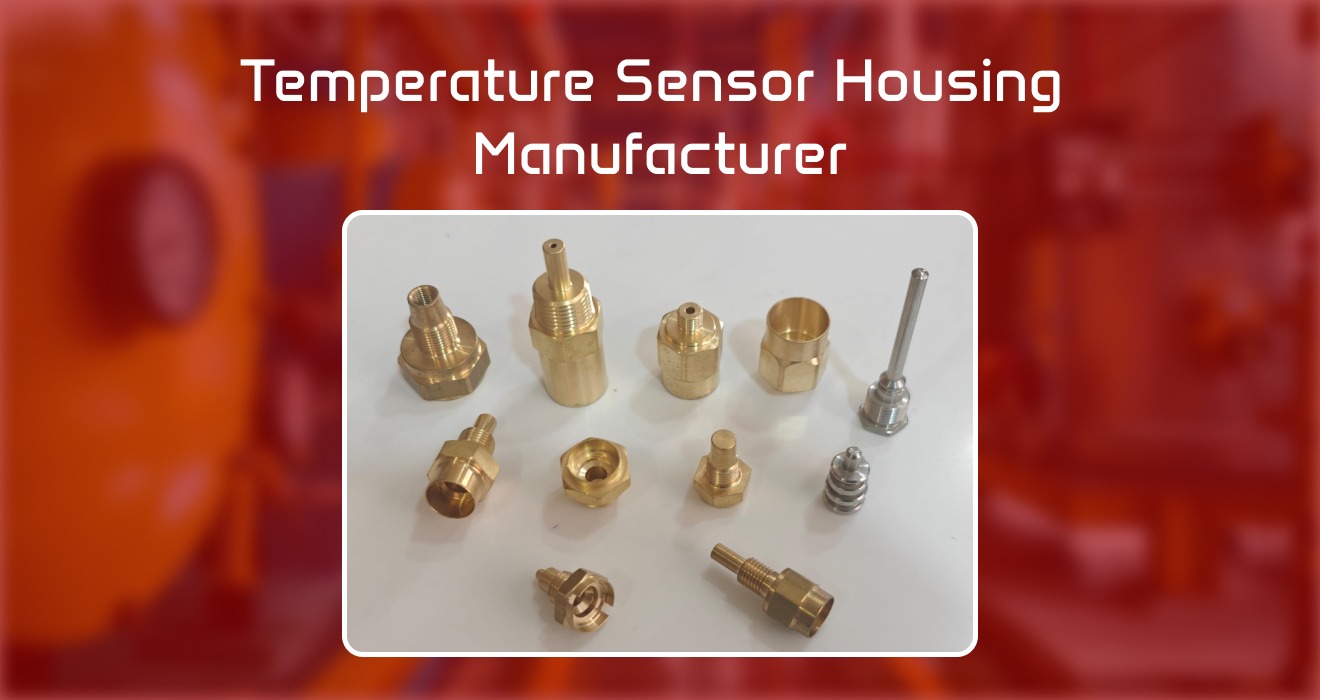
Temperature sensors are everywhere, built into machines, labs, pipelines, vehicles, and smart homes. While the sensor often gets the spotlight, its housing is just as important. The housing is not just a shell. It is a crucial interface that protects the sensor from harsh conditions, helps maintain accurate measurements, and ensures long term reliability. This is where Ravi Products plays a key role by designing precision engineered housings that enhance sensor performance and durability across demanding industrial environments.
Temperature sensor housing is the protective enclosure that surrounds the sensing element. It is designed to shield the sensor from environmental, mechanical, and chemical stresses while still allowing heat to transfer efficiently from the measured medium to the sensor core.
Why Sensor Housing Matters?
- The temperature sensor housing protects the sensor from external factors such as moisture, dust, chemicals, electromagnetic interference, and physical impact that could otherwise affect its performance and lifespan. By acting as a protective barrier, the housing keeps the sensor’s delicate internal components from being exposed to harsh environmental conditions and reduces the risk of damage or malfunction.
Types of Temperature Sensor Housings
Industrial-Grade Housings
- Engineered for toughness, industrial-grade housings withstand high temperatures, extreme pressure, and corrosive environments. Common in petrochemical plants and manufacturing lines, they feature rugged threads, strong welds, and premium stainless-steel alloys for long-lasting reliability.
Sanitary and Hygienic Housings
- In pharmaceuticals and food processing, hygiene is critical. Sanitary housings feature smooth, crevice-free designs with electropolished finishes to minimize microbial contamination, meeting strict standards like 3-A and FDA guidelines.
High-temperature or cryogenic housings
- High-temperature and cryogenic housings safeguard sensitive equipment and components from extreme conditions, from liquid nitrogen cold to furnace-level heat. Using vacuum insulation, advanced materials like stainless steel, and active cooling with water or gas, these enclosures ensure structural integrity, thermal stability, and safe operation.
Submersible and Harsh Environment Enclosures
- For underwater or sub-zero applications, sensor housings need to be fully sealed, pressure-resistant, and chemically inert. Hermetic sealing and specialized coatings ensure reliable performance in marine, cryogenic, and chemical-processing environments.
Key Factors when selecting a Temperature Sensor Housing Manufacturer
- Environmental & Chemical Protection: Select manufacturers that offer housings built to resist corrosion, extreme temperatures, moisture, and dust, ensuring they can withstand the conditions of their intended environment.
- IP & NEMA Ratings: Ensure the manufacturer can deliver the right protection standards, like IP68 for submersion or NEMA 4X for corrosion and water resistance.
- Material Expertise: Look for options in high-grade stainless steel, aluminum, or specialty plastics (like PEEK) designed to withstand physical and chemical stresses.
- Customization & Design Flexibility: The manufacturer should provide customized sizes, shapes, and mounting options to suit specific installation requirements.
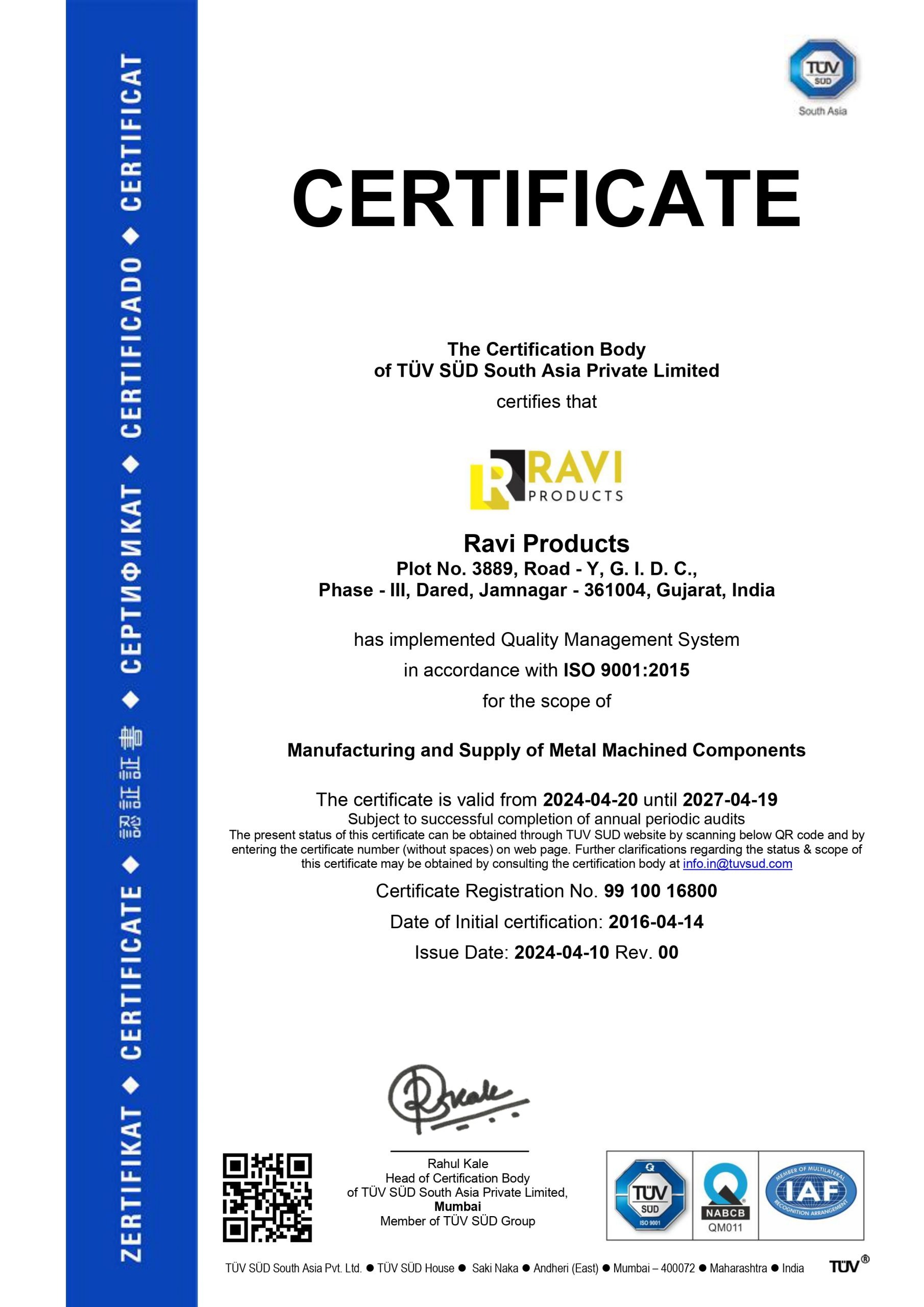
- Quality Assurance & Compliance: Manufacturers with rigorous quality control and, when necessary, certifications for hazardous or demanding environments should be sought.
- Maintenance & Accessibility: Choose designs that enable easy sensor access for maintenance and calibration while minimizing downtime.
- Cost-Performance Balance: Ensure solutions are cost-effective without compromising durability or protection.
Conclusion
In conclusion, selecting the right temperature sensor housings manufacturer is crucial for ensuring sensors deliver accurate, reliable performance while withstanding environmental stresses such as moisture, dust, chemicals, and extreme temperatures. A well‑engineered housing does not only extend the service life of sensing systems but also minimizes maintenance costs and downtime, which is especially important in demanding industrial applications.
We manufacture temperature sensor housings with custom specifications and requirements. Request a quote, and our team will provide prompt assistance. You can reach us via email at export@raviproducts.com or call us directly at +91 97253 14757. We look forward to helping you find the perfect solution for your temperature sensor housing needs.