
Brass vs Stainless Steel Hydraulic Fittings: Which should you select?
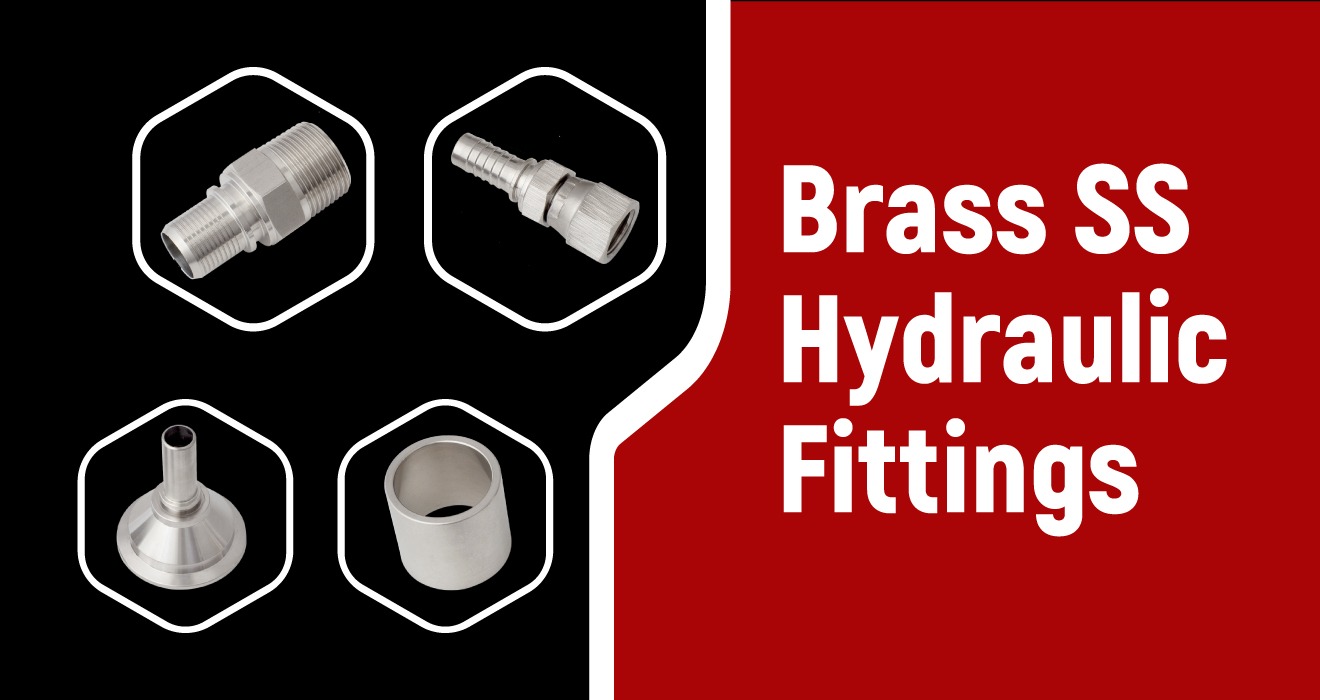
Choosing the right hydraulic fittings is essential for ensuring performance, safety, and long-term reliability in any fluid power system. At Ravi Products, we know that selecting the right material makes all the difference. Brass and stainless steel are two of the most common choices, each suited to different applications. This blog will highlight the differences between brass and stainless-steel hydraulic fittings to help you choose the best option for your needs.
Understanding Hydraulic Fittings
Material selection in hydraulic systems goes beyond fluid compatibility and cost – it must also account for performance under extreme pressure. In high-pressure applications, materials are required to endure significant operational loads while maintaining resistance to wear and corrosion. Durability is essential for maintaining safety, efficiency, and long-term reliability in hydraulic systems.
Brass Hydraulic Fittings
A. Pros of Brass in Hydraulic Systems
- Brass offers good corrosion resistance and ease of machining.
- Typically used in low- and medium-pressure hydraulic systems.
- Standard components are typically rated between 1,000 and 3,000 PSI.
- Some alloys or specially designed components can handle slightly higher pressures.
B. Limitations of Brass in Hydraulic Systems
- Not as dependable as stainless steel under high-pressure conditions.
- Provides moderate strength, insufficient for very high-pressure conditions.
- Lower tensile strength increases the risk of deformation and failure under extreme stress.
- Rarely used in highest-pressure hydraulic applications.
Stainless Steel (SS) Hydraulic Fittings
A. Pros of Stainless Steel in Hydraulic Systems
- Known for strong composition and excellent corrosion resistance.
- High tensile strength resists deformation under extreme conditions.
- Suitable for demanding hydraulic applications, including marine and high-temperature environments.
- Suited for medium- and high-pressure systems.
- Standard components handle 5,000 to 6,000 PSI.
- High-grade or specially designed components can exceed 10,000 PSI.
B. Limitations of Stainless Steel in Hydraulic Systems
- Higher cost than materials like brass or plastic.
- Greater weight may be a disadvantage in weight-sensitive applications.
- Lower thermal conductivity than copper, limiting heat transfer efficiency.
- Work hardening can occur, reducing ease of machining and fabrication.
Key Comparison: Brass vs Stainless Steel
- When comparing brass and stainless steel in high-pressure hydraulic applications, several key factors stand out:
- Tensile Strength: Stainless steel generally offers higher tensile strength, making it better suited for high-pressure applications.
- Corrosion Resistance: Both materials provide good corrosion resistance, but stainless steel has an advantage due to its ability to withstand a broader range of corrosive environments.
- Longevity: Under high-pressure conditions, stainless steel’s durability leads to a longer service life and fewer replacements, ensuring consistently reliable performance over time.
Selecting the Right Material
A. When to choose brass hydraulic fittings
- Ideal for systems without extreme pressures, aggressive chemicals, or high temperatures.
- Cost-effective for budget-sensitive applications.
- Provides good corrosion resistance under moderate conditions.
- Easy to machine and adequately durable for standard use.
- Suitable for low or medium pressure systems where maximum strength isn’t critical.
- Appropriate for environments without harsh chemicals or saltwater exposure.
- Fits applications operating within normal temperature ranges.
B. When to Choose Stainless Steel Hydraulic Fittings
- It offers superior strength, exceptional corrosion resistance, and temperature resilience.
- Best for high-pressure applications where material durability is key.
- Perfect for use in corrosive or saltwater-prone environments.
- Appropriate for applications with extremely high or low temperatures.
- Longevity and lower maintenance often justify higher initial costs, reducing total cost of ownership.
Conclusion
Selecting the right hydraulic fittings material ultimately comes down to balancing application requirements with long-term system goals. Beyond immediate performance, the choice influences overall reliability, maintenance frequency, and total lifecycle cost. By carefully considering the operating environment, pressure demands, and durability expectations, you can make a well-informed decision that ensures both safety and efficiency in your hydraulic systems.
At Ravi Products, we are committed to providing high-quality hydraulic solutions tailored to your specific requirements. Whether you’re looking for custom turned components and hydraulic fittings, need detailed product information, or want to secure dependable components for your project, our team is here to assist you at every step of the way. To learn more or request a quote, simply reach out to us at export@raviproducts.com.