

Custom vs. Standard Inserts: When should OEMs opt for Tailor-Made Components?

In large-scale manufacturing, threaded, molded, or mechanical inserts are critical in bolstering assemblies to withstand production processes and enhancing efficiency. For Original Equipment Manufacturers (OEMs), opting for standard versus custom inserts is a matter of part functionality and poses additional challenges concerning productivity, budget, and supply chain dependability. While standard inserts are easier and cheaper, custom inserts could enhance product integrity by minimizing issues arising during downstream processes, albeit at a higher initial investment. This is mostly suited for bulk production environments. This article aims to assist OEMs in determining when custom-designed solutions merit their tailored investment and explores the benefits and drawbacks of standard and custom inserts.
What Are Standard Inserts?
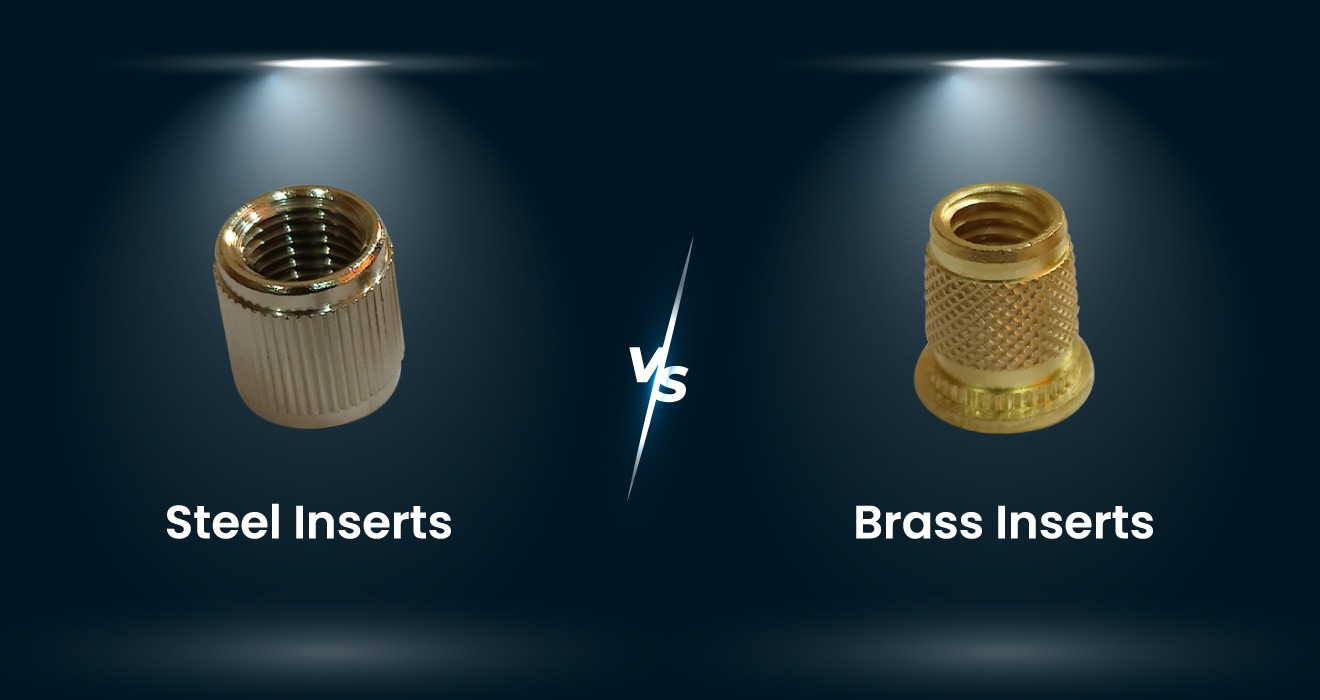
Standard inserts are manufactured to industry standards, which results in mass production. A variety of sizes, thread types, and materials exist for standard installation tools and methods.
Below are the benefits of standard inserts:
- Their availability in large quantities makes the overall pricing cheaper.
- Cost effective due to bulk production.
- Most suppliers stock standard inserts which accelerate ordering speed.
- The quality and performance of these inserts are consistent and reliable as they are used in many industries.
Limitations of Standard Inserts:
- Designed geometry or parts may not be adequately catered for as there is limited flexibility.
- Standard inserts make products look and function the same as competitors, therefore lack uniqueness.
- They may require extra time or work, which makes them inefficient.
What Are Custom Inserts?
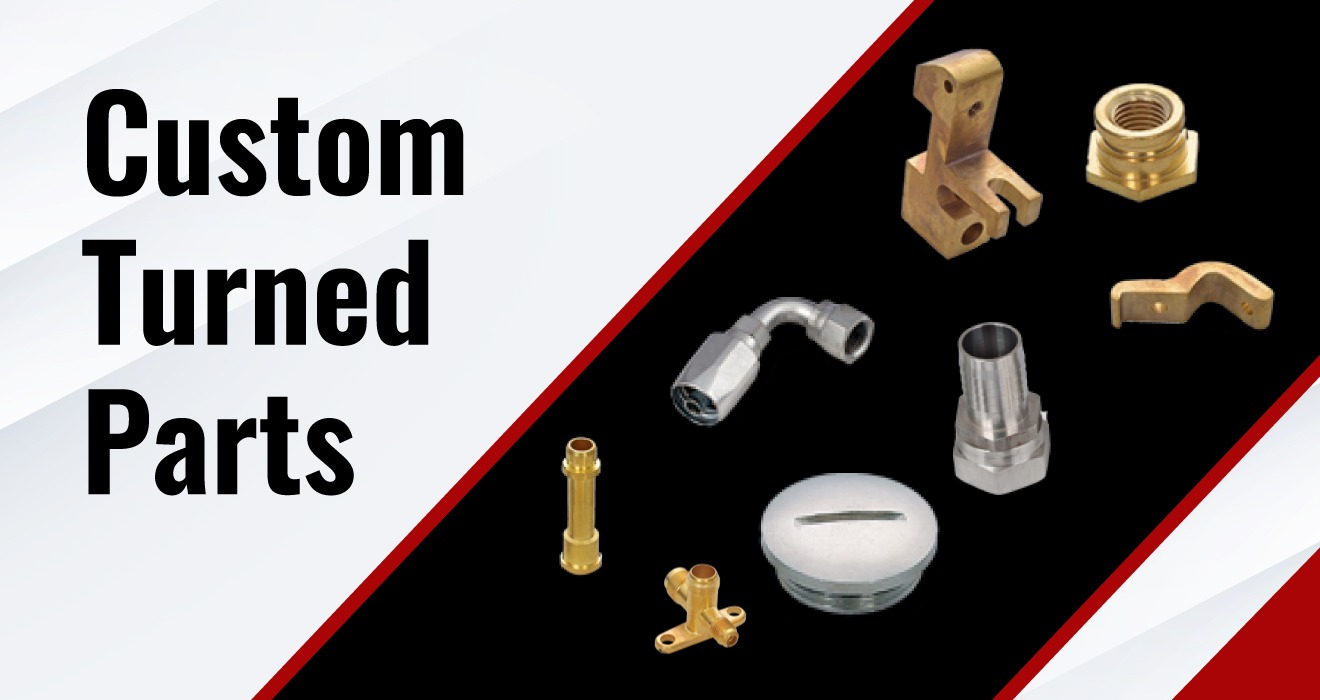
Tailored inserts are custom made to fit a specific application or product line, as they are created with dimensions, materials, shape features, or performance metrics in mind.
Advantages of Custom Inserts:
- Custom inserts have branding opportunities. It can be customized with brand colors, logos, and markings.
- Separates product components, accessories, or documentation neatly within the packaging.
- Versatile material choices.
- Minimizes shipping damage, leading to fewer customer complaints and returns.
- Tailored to fit specific product shapes and sizes, based on required application.
Considerations:
- Investment that is higher than baseline: Funding custom tools and designing work requires initial capital.
- Increased timeframe to complete the project: Testing, designing, and prototyping custom inserts all take time.
- Dependency on volume: Custom inserts become cost-effective only when produced in large quantities.
When Should OEMs Go Custom?
In an environment of mass production, custom inserts tend to be more economical in the long run even when the initial investment is considerable.
1. Specific Needs for Applications or Functions: Satisfying the performance demands for products with challenging geometries, extreme loads, or those operating in high temperature / vibration / chemical environments usually require non-standard performance insert.
2. Significant Production Quantities: If an OEM has the capability to manufacture tens of thousands or even millions of parts a year, then the expense incurred from custom tooling can be amortized over many units yielding a lower cost per unit.
3. Streamlining and Enhancing Automation and Assembly: Custom inserts can be optimized to cut down the number of manual assembly steps or designed to interface with automated equipment which results in a significant decrease in labor time and increases in work output.
4. Compliance with Government Regulations: Some industries have restrictions on the materials from which components can be manufactured or stipulate that parts need certain certifications. These custom inserts would be beneficial because they could be engineered to meet such requirements directly.
5. Long-Term Product Strategy: Investing in custom inserts can enhance product durability and reduce warranty claims, especially for high-reliability products with long service life expectations.
When are standard inserts the better option?
In certain situations, standard inserts continue to be a good option:
- Generic applications: Where the performance goals are average and there are no design constraints.
- Time-sensitive production: In cases of critical time-to-market windows, custom parts cannot be developed.
- Flexible designs: Products that are in the early-stage development phase or those that are expected to undergo numerous design changes over time.
- Limited budgets: Standard inserts are necessary when there is little margin to spare, and custom deviations are not an option.
Real-World Industrial Use Cases
- Automotive Manufacturing: In the injection molding of plastics and composites, custom inserts are used to bolster strength and simplify subsequent assembly steps. Integrated custom threaded inserts bolster torque control and tail end reliability in steering columns, dashboards, and engine parts.
- Consumer Electronics: Thinner form factors for portable devices are achievable with the use of custom inserts which strengthen fusible joints. Tailored inserts also mitigate thread stripping during repeated usage.
- Medical Devices: High precision surgical tools need specialized threaded inserts that meet stringent criteria for cleanliness, methods of sterilization, and biocompatibility. Customization meets compliance and safety regulations, ensuring safe use and product sterility.
- Aerospace Components: Lightweight and high-strength custom inserts made from titanium or advanced alloys are used in airframes and interior systems to withstand mechanical stress and temperature variations.
- Packaging Inserts: For high-end product presentations, OEMs use custom foam or molded inserts that conform exactly to the product shape, enhancing both protection and customer experience.
Key Considerations for OEMs
For determining if custom or standard inserts are suitable for your application, OEMs must consider the following:
- Is the product volume high enough to justify customization? Custom inserts are more beneficial with high-volume, long-term production runs.
- Will custom inserts improve reduction of assembly time or product performance? If the answer is yes, then the ROI may be favorable despite higher initial costs.
- Does the product require certain industry standards or certifications? Specific regulatory frameworks may require tailored materials or designs.
- Can the insert assist in automation enhancement? Customization can enable high-speed automation devoid of manual labor.
- Is there a likelihood of generic inserts resulting in customer dissatisfaction or failure? Critical applications require robust solutions, necessitating dependable options to protect against failure.
Best Practices for Implementation
- Early supplier engagement: Engaging with insert suppliers from the design stage ensures feasibility and cost-effectiveness are integrated into the product.
- Prototype and validate: Commit to volume production after thorough testing of real-world performance of the insert.
- DFM: Design for manufacturing guarantees reliability during production of your custom insert design.
- Supplier selection: Ensure the supplier can meet future demand increases while delivering consistent quality at scale.
- Document processes: Critical for regulated industries to maintain repeatability and traceability.
Conclusion
In mass production, the choice of custom or standard inserts has far-reaching implications for manufacturing results. For generic purposes where time, availability, and cost are dominating factors, standard inserts are a good choice. On the other hand, OEMs dealing with sophisticated items, compliance requirements, or automated assembly lines tend to realize better customization options with custom inserts which provide greater operational efficiency and savings over time. The decision ultimately comes down to the production volume, the intricacy of the application, and the strategic value added through customization. With proper planning and collaboration with the right suppliers, inserts can be leveraged by OEMs not only as components but as major drivers of product excellence and operational efficiency.
Looking to improve performance and cut assembly challenges in your manufacturing line? Discover when custom inserts can give OEM projects a competitive edge over off-the-shelf options. At Ravi Products, we specialize in precision-engineered inserts tailored to your exact application needs. Reach out export@raviproducts.com if you have any requirements or queries related to our products and services.